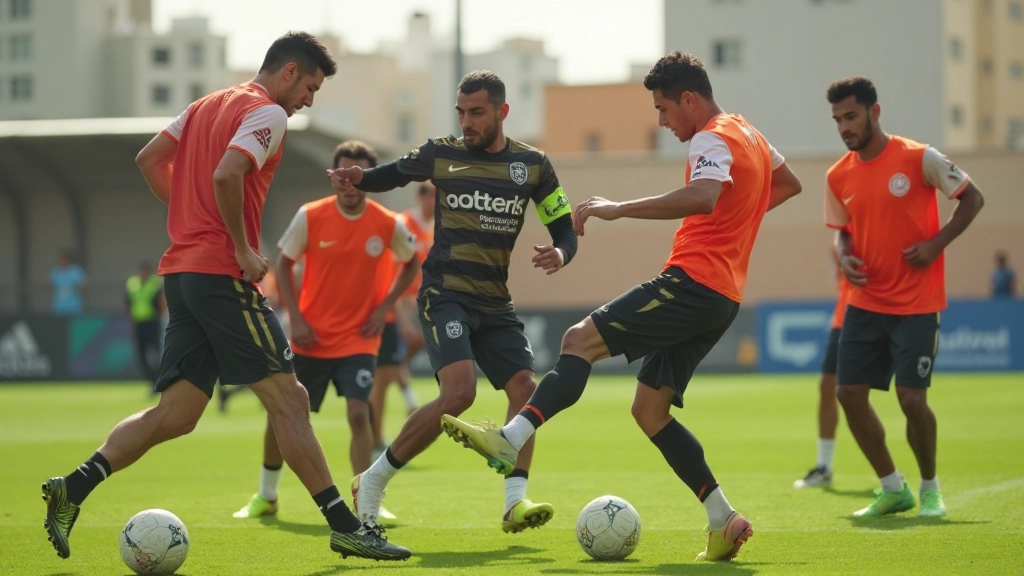
Tactical Analysis and Strategic Planning
Examine approaches to understanding formations, positioning strategies, and match analysis techniques that inform coaching decisions and team organization.
Understanding Tactical Fundamentals
Tactical analysis forms the foundation of modern football coaching. It involves systematic examination of how teams organize their players, execute movement patterns, and respond to opposing formations. This structured approach enables coaches to develop comprehensive strategies that maximize team effectiveness during competitive matches.
The process begins with detailed observation of team positioning, player movement, and spatial organization. Coaches analyze how players utilize field space, maintain defensive shape, and create attacking opportunities. Understanding these fundamental principles helps establish a framework for improving team performance through targeted training interventions and strategic adjustments.
Core Tactical Elements
Effective tactical systems incorporate formation structure, pressing triggers, transition timing, and positional responsibilities that guide team behavior during play.
- Formation selection and structural organization
- Defensive shape and pressing patterns
- Transition phases and counter-attack timing
- Attacking movement and space creation
- Set-piece organization and execution
Formation Analysis and Positioning Strategies
Formation selection represents a critical decision in tactical planning. Common formations such as 4-3-3, 4-2-3-1, and 3-5-2 each provide distinct advantages for organizing team structure. The choice depends on available personnel, opposition characteristics, and intended style of play.
Each formation creates specific positioning responsibilities for different player roles. Defensive organization requires players to understand their spatial relationships, movement triggers, and communication patterns. Coaches analyze how formations adapt to various match situations, maintaining defensive stability while creating attacking opportunities.
Positional Responsibilities
Understanding positional requirements enables targeted player development. Defenders need awareness of covering responsibilities and communication with teammates. Midfielders must balance defensive duties with attacking contributions while maintaining team shape. Forward positions require movement timing and spatial awareness to create shooting opportunities.

4-3-3
Balanced Structure
Provides equilibrium between defensive security and attacking flexibility with three midfielders controlling play.
4-2-3-1
Defensive Control
Emphasizes defensive protection through double pivot midfielders while maintaining creative attacking options.
3-5-2
Width and Depth
Creates attacking width through wing-backs while maintaining three-defender stability in defensive phases.
Educational Information
This content provides educational information about football tactical concepts and strategic approaches. The information presented represents general coaching methodologies and is intended for informational purposes. Coaching implementation should be adapted to specific player development levels, team circumstances, and competitive contexts. Individual results and application outcomes vary based on numerous factors including player abilities, training quality, and match conditions.
Match Analysis and Strategic Video Study
Video analysis provides coaches with detailed information about team and opponent performance. Systematic review of match footage reveals patterns in player movement, decision-making, and tactical execution. This analytical process enables coaches to identify strengths, areas for improvement, and opponent tendencies that inform strategic preparation.
1
Opposition Scouting
Detailed review of opponent formations, pressing triggers, transition timing, and set-piece organization. Understanding opponent patterns enables teams to prepare defensive and attacking responses specific to those tendencies.
2
Performance Evaluation
Analysis of team performance through formation maintenance, positioning accuracy, and execution quality. Video review identifies specific situations requiring tactical adjustment or additional training focus.
3
Player Development Analysis
Individual player review examining positioning decisions, movement timing, and tactical awareness. This analysis informs targeted coaching interventions and player-specific development programs.
4
Set-Piece Review
Systematic analysis of corner kicks, free kicks, and throw-in situations. Understanding successful and unsuccessful set-piece execution enables refinement of both attacking and defensive organization.

Strategic Planning and Training Implementation
Effective tactical development requires structured planning that translates analysis into training activities. Coaches design sessions addressing specific tactical objectives, whether improving defensive organization, attacking movement, or transition efficiency. This deliberate progression builds player understanding and execution quality over time.
Strategic planning incorporates multiple planning horizons. Long-term plans establish overall team development direction and tactical philosophy. Medium-term planning addresses specific competitive phases and upcoming opponents. Short-term daily planning focuses on immediate session objectives that progressively develop tactical competencies.
Defensive Organization
Training defensive shape maintenance, pressing timing, and transition organization. Players develop awareness of positioning responsibilities and communication patterns that preserve defensive stability.
Attacking Development
Building attacking movement patterns, spacing awareness, and finishing execution. Training develops player understanding of creating opportunities through movement timing and positional intelligence.
Transition Management
Developing quick shifts between defensive and attacking phases. Training emphasizes rapid positioning adjustments, support timing, and decision-making during possession transitions.
Set-Piece Mastery
Organizing both attacking and defensive set-piece routines. Players develop positioning awareness, movement timing, and execution consistency for dead-ball situations.
Implementation Framework
Successful tactical implementation requires systematic progression. Coaches introduce tactical concepts through simplified practice activities before advancing to complex game scenarios. Progressive complexity development builds player competency and confidence in tactical execution. Regular review and adjustment ensure training effectiveness while maintaining player engagement.
Key Implementation Considerations
- Introduce tactical concepts through progressive complexity
- Provide clear player roles and positional responsibilities
- Use video review to reinforce tactical understanding
- Adapt tactics based on available personnel strengths
- Maintain flexibility to adjust strategies during matches
- Create repetition through varied practice scenarios
Developing Tactical Mastery
Tactical analysis and strategic planning form essential components of modern football coaching. Through systematic examination of formations, positioning strategies, and match patterns, coaches develop comprehensive approaches to team organization and player development. Implementation of tactical concepts through structured training progressively builds player understanding and execution quality.
The most effective tactical systems combine organized structure with adaptive flexibility. Coaches who understand formation principles, analyze opponent characteristics, and implement thoughtful training progressions create environments where players develop both tactical awareness and decision-making competency. This integrated approach to tactical development supports improved team performance while building player confidence in match situations.
Core Takeaways
- Tactical analysis provides structured understanding of team organization and player positioning
- Formation selection establishes foundational team structure and positional responsibilities
- Video analysis reveals opponent tendencies and team performance patterns
- Strategic planning translates analysis into deliberate training progressions
- Implementation success requires balancing organized structure with adaptive flexibility
Explore Related Topics