Shooting Technique and Finishing Skills
Develop precision and consistency in goal-scoring situations through structured training approaches, proper body mechanics, and deliberate practice methodologies.
Understanding Shooting Mechanics
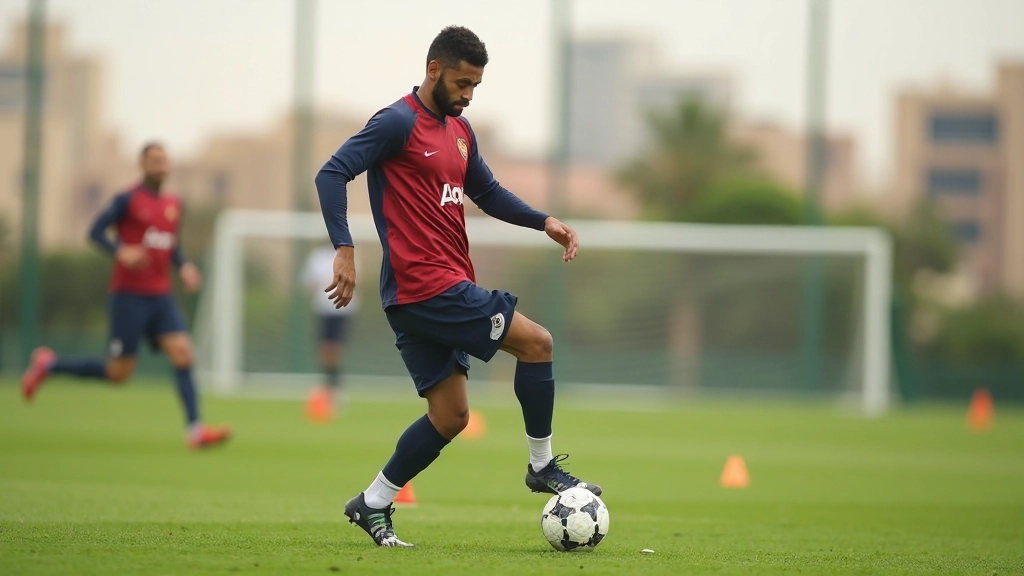
Effective shooting technique forms the foundation of successful goal-scoring. The mechanics of a proper shot involve coordination between multiple body systems, including stance, approach, plant foot positioning, striking surface selection, and follow-through execution.
Players benefit from understanding the biomechanical principles that influence shot accuracy and power. The approach phase establishes momentum and positioning. The plant foot placement determines the direction and stability of the shot. The striking surface—whether the inside of the foot, instep, or outside surface—affects accuracy and ball trajectory.
Key mechanical elements include:
- Balanced body positioning and weight distribution during setup
- Proper stride length and approach angle toward the ball
- Non-kicking foot placement 12-18 inches beside the ball
- Knee bend and hip rotation for power generation
- Head positioning focused on target area rather than ball
- Follow-through motion extending toward intended target
- Ankle lock at moment of contact for consistent strike
Positioning for Different Shot Types
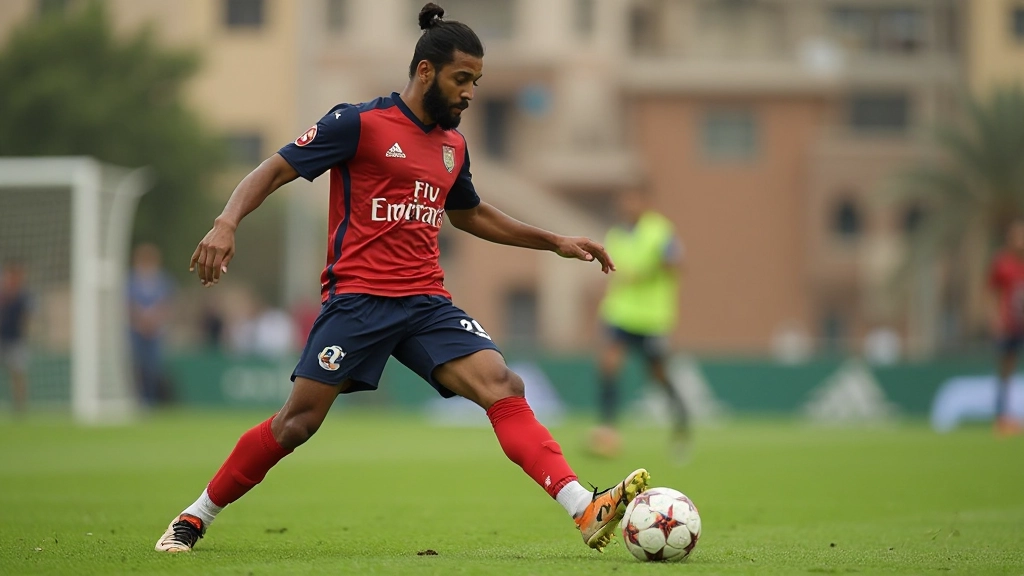
Different shooting situations require adjusted body positioning and technique modifications. Understanding how to adapt mechanics based on distance, angle, and defensive pressure allows players to maintain effectiveness across varied match scenarios.
Each shot type presents unique technical and strategic considerations for execution:
Direct Shots from Distance
Shooting from 18-30 yards requires maximum power generation. Players utilize the full instep surface and complete follow-through to achieve necessary velocity and distance. Body positioning emphasizes hip rotation and explosive knee drive for power development.
Close-Range Finishing
Within the penalty area, precision takes priority over power. Inside-of-foot shots provide maximum accuracy for placement into specific goal corners. Players adjust approach angle to create shooting lanes and maintain balance for quick execution under pressure.
Off-Balance and Improvised Shots
Defensive pressure frequently prevents ideal positioning. Players develop technique for shooting with limited approach space, half-volley execution, and adjusted follow-through. Core stability and ankle flexibility become essential for maintaining accuracy without full setup.
Developing Shooting Consistency
Consistent goal-scoring emerges from deliberate practice focused on specific technical elements and game-realistic scenarios. Effective training structures progress from isolated technical work to integrated match-simulation exercises.
Structured practice approaches for shooting development:
- Isolated Technical Work: Focused drills on specific mechanics such as plant foot positioning, striking surface contact, and follow-through execution. Players perform repetitions from consistent distances and angles to establish muscle memory for fundamental movements.
- Progressive Distance Training: Shooting exercises that progress from close range (penalty spot) to medium distance (18 yards) to distance shooting (25+ yards). This allows players to develop feel for power application across varied shot ranges.
- Movement-Based Shooting: Integrating shooting with receiving passes, turning, and movement patterns. Players practice executing shots while moving across the field, receiving balls from various angles, and reacting to game-realistic ball presentations.
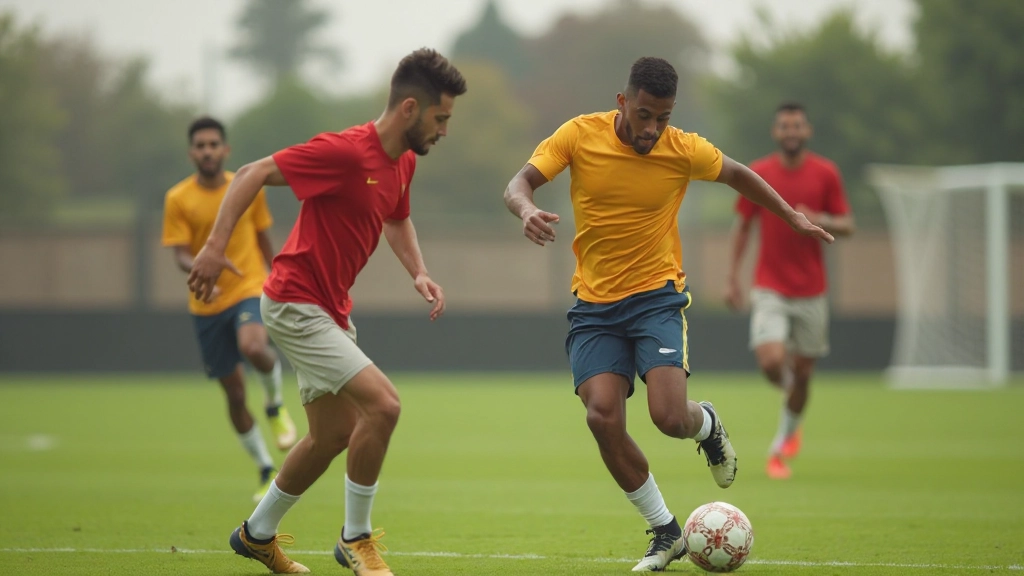
- Defensive Pressure Simulation: Training scenarios that introduce defensive challenges requiring quick decision-making and shot execution under time constraints. Players adapt technique when defenders approach and space becomes limited.
- Game-Scenario Training: Exercises replicating match situations such as first-time finishes, rebounds, and counter-attacking opportunities. These scenarios combine technical execution with tactical awareness and decision-making.
Training Volume Considerations
Research indicates that players benefit from consistent repetition across training sessions. Effective shooting development typically requires 50-100 shots per training session, distributed across different shot types and distances. This volume allows players to develop automaticity in fundamental mechanics while maintaining engagement through exercise variety.
Mental approaches enhance shooting consistency through focus development and confidence building. Players benefit from visualization of successful executions, pre-shot routines that establish consistency, and review of performance data identifying patterns in successful and unsuccessful attempts. Developing awareness of personal tendencies regarding shot selection, approach mechanics, and execution quality supports continuous improvement.
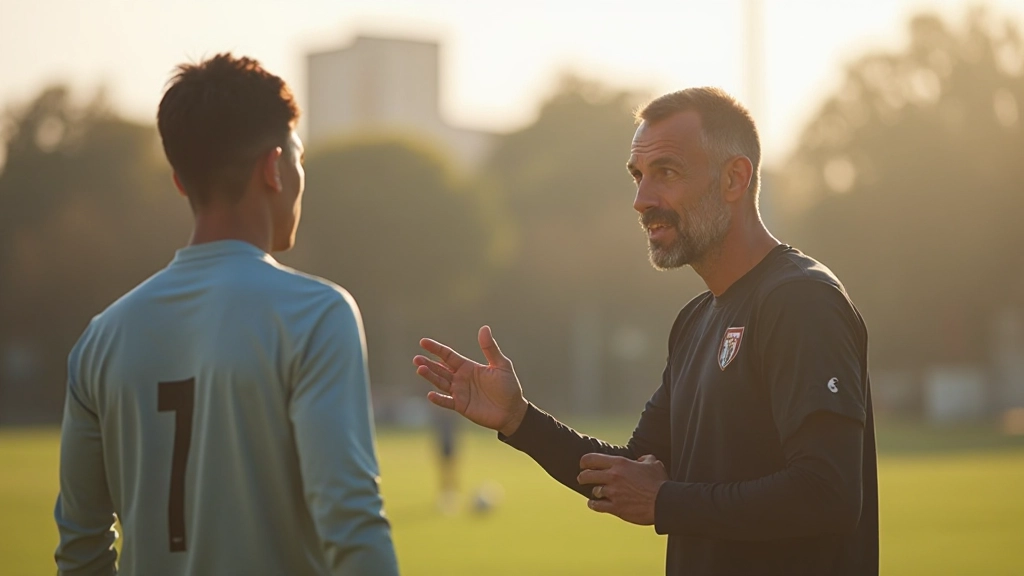
Video analysis provides valuable feedback for identifying technical adjustments. Recording shooting sessions allows players to compare their execution against performance standards, recognize patterns in mechanics breakdown, and understand how defensive positioning influences technical choices.
Educational Information Disclaimer
This content provides educational information about football training techniques, shooting mechanics, and skill development approaches. It represents general information applicable to football training contexts and does not constitute personalized coaching advice or professional instruction.
Individual training responses vary based on existing skill level, physical capabilities, experience background, and specific training context. Coaching decisions should reflect individual player circumstances, team requirements, and competitive level. Consultation with qualified football coaching professionals ensures training approaches align with specific player development goals and organizational training philosophy.