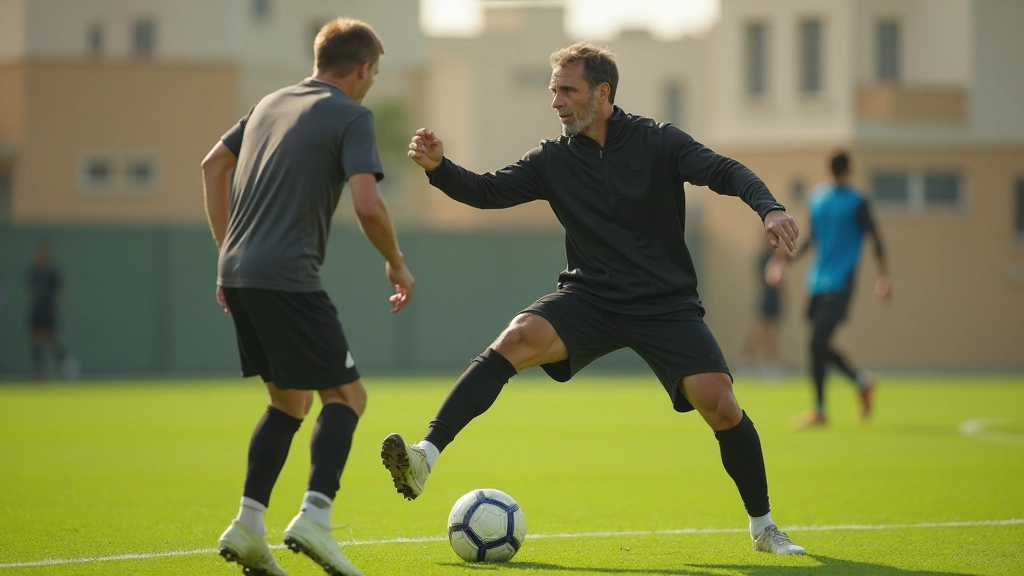
Ball Control Fundamentals for Players
Understanding essential ball control techniques including first touch, dribbling patterns, and touch sensitivity to improve overall playing ability and confidence.
Read MoreExplore comprehensive methods for developing soccer skills, understanding coaching methodologies, and mastering training approaches used by professional athletes. This resource covers foundational concepts and advanced techniques for skill development in football.
Understanding essential ball control techniques including first touch, dribbling patterns, and touch sensitivity to improve overall playing ability and confidence.
Read More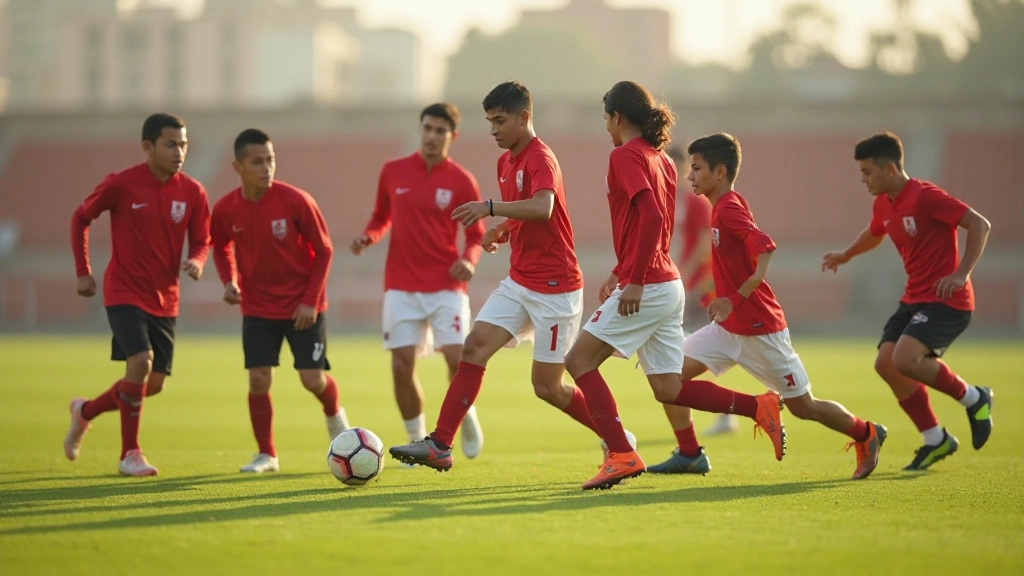
Learn structured approaches to improving passing accuracy through repetition, positioning awareness, and understanding tactical spacing in match situations.
Read More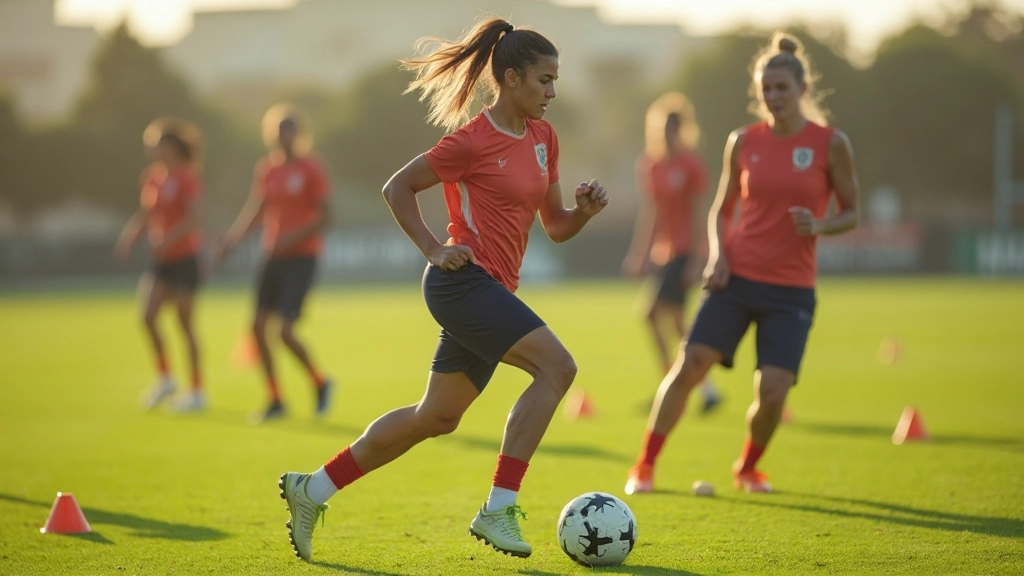
Overview of conditioning methodologies for building cardiovascular fitness, muscular strength, and sustained performance throughout competitive matches.
Read More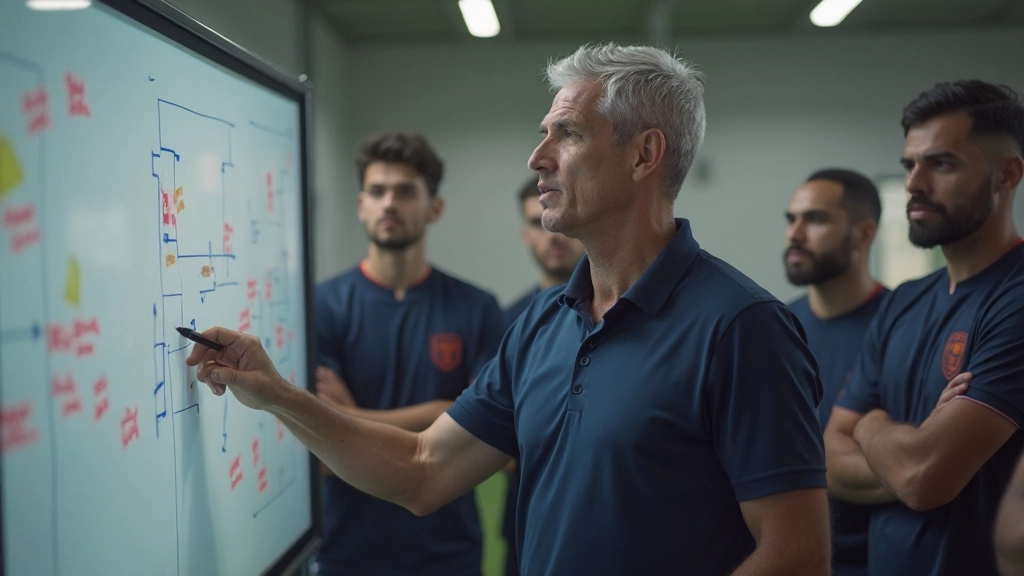
Examine approaches to understanding formations, positioning strategies, and match analysis techniques that inform coaching decisions and team organization.
Read More
Detailed exploration of shooting mechanics, positioning for different shot types, and methods for developing consistency in goal-scoring situations.
Read MoreUnderstanding the foundational principles of modern football training helps athletes and coaches develop systematic approaches to skill improvement:
Gradually increasing training intensity and complexity allows players to develop skills without overwhelming their physical systems. This involves adjusting drill difficulty, increasing repetitions, or extending training duration over time.
Consistent practice of fundamental techniques through structured drills builds muscle memory and confidence. Quality repetitions with focus on proper form yield better results than high-volume unfocused practice.
Incorporating realistic match scenarios into training sessions helps players develop decision-making abilities and tactical awareness under pressure conditions similar to actual competition.
Adequate recovery between training sessions allows for physical adaptation and injury prevention. Balanced training schedules incorporating rest days support long-term development and performance sustainability.
Structured observation and feedback mechanisms help players understand their performance and identify specific areas for improvement through coaching guidance and video analysis.
Different players progress at different rates based on their physical attributes, learning styles, and experience levels. Effective coaching acknowledges these differences in training program design.
Various training methodologies are used across football programs to develop specific competencies and overall player capabilities:
Focused exercises targeting specific technical elements such as passing accuracy, first touch, or shooting. Drills typically isolate one skill element for concentrated practice before integration into complex scenarios.
Modified match formats with reduced player numbers on smaller fields increase touches on the ball and decision-making opportunities. These activities combine technical practice with tactical understanding in game-like environments.
Position-specific exercises develop the particular technical and tactical requirements for different roles. Defenders, midfielders, and forwards work on skills and responsibilities relevant to their positions.
Multiple stations with varied exercises build fitness while incorporating technical elements. Players rotate through different drills, developing aerobic capacity alongside skill execution.
Reviewing match footage and training recordings provides visual feedback on performance. Players observe their own technique and tactical positioning, supporting understanding of areas for improvement.
Activities emphasizing ball retention through passing and movement develop technical control and spatial awareness. Keeping possession against opponents reinforces decision-making under pressure.